
AI analysis
Your monitoring data, read every week
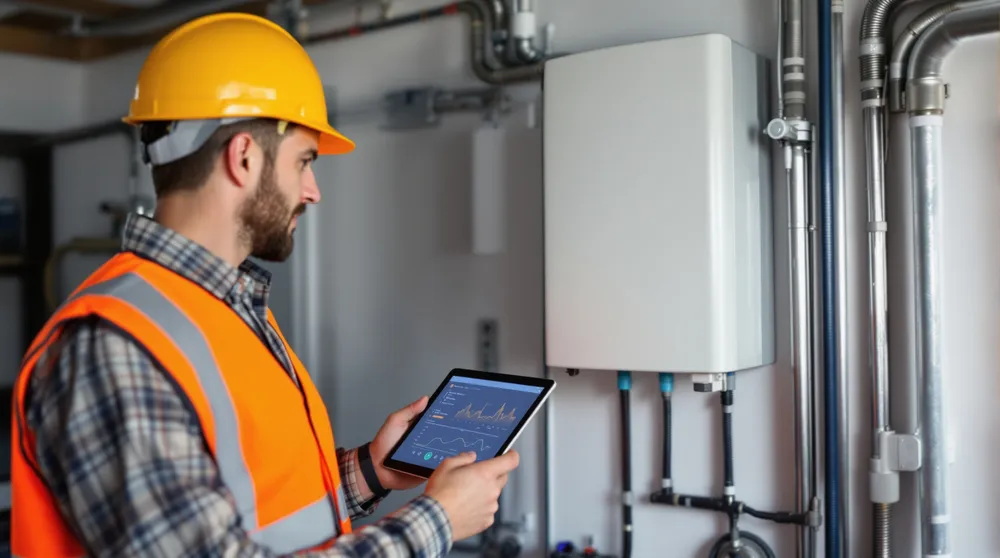
Every modern solar system logs a stream of performance data, and almost nobody looks at it. We read it every week, compare it to what your system should be doing, and flag the gap.
- Works with any monitoring brand
- Weather-adjusted benchmarks
- Plain-English reports
Accredited & registered Athlone · Installing solar since 2013 (13 years)
 SEAI Registered
 Safe Electric
 Solar Ireland Member
 Athlone Chamber
The problem
A slow loss looks like bad weather
A failed system is obvious. A system running 15% down just produces less, month after month, and nothing flags it.
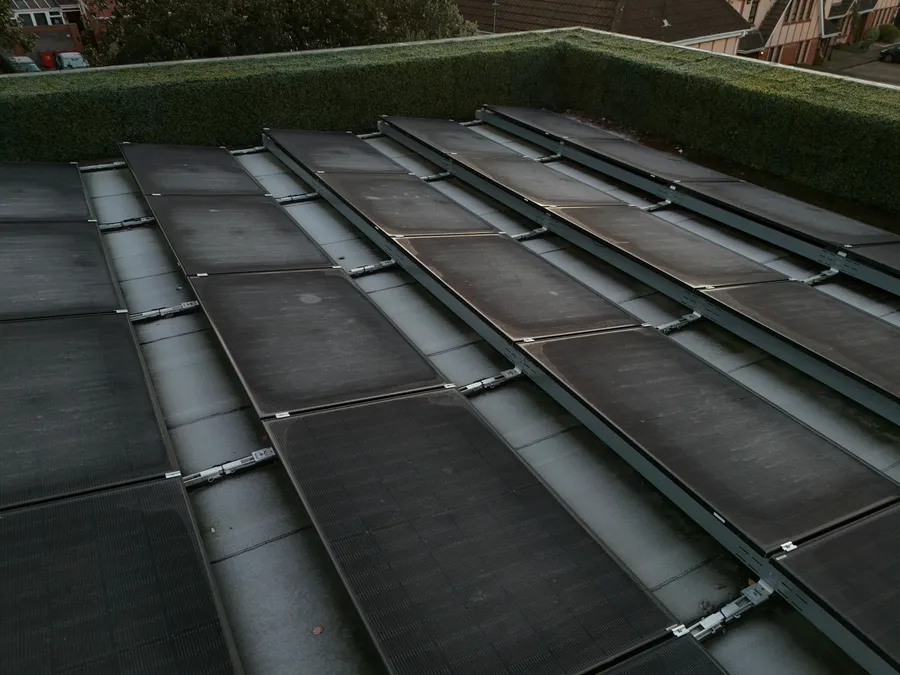
Soiling builds gradually. A string drops out and the app still shows a reassuring green tick. An inverter derates on hot days. A tree grows half a metre a year. None of these look like a fault on a phone app; they look like “a cloudy month”. The only way to catch them is to compare what the system produced against what it should have produced given the actual weather, week after week. Nobody keeps that up by hand.
Where the “AI” comes in
The software does the pattern-matching at a scale people will not do by hand: weather-adjusted yield models, string-to-string comparison, fault-code history and degradation trends, run every week across every system we watch. The judgement about what to do stays with our engineers.
What the analysis covers
Four checks, run every week
Expected vs actual yield
Your generation compared against a weather-adjusted model of your specific system, with orientation, pitch, shading and season all accounted for. A shortfall against the model is a flag even in a month that felt cloudy.
String & panel comparison
Strings on the same roof should track each other. When one drifts, that localises the problem to soiling, shading, a connector or a failing optimiser before anyone climbs a ladder.
Inverter health
Fault codes, derating events, restart patterns and communication dropouts, read from the logs your app never surfaces. Inverters usually log warnings before they fail, and we watch for them.
Degradation trend
Panels lose a little output every year by design. We track your long-run trend to separate normal degradation from fixable losses, and to put data behind warranty performance claims.
How it works
Plain-English output, engineer follow-up
You grant us viewer access to your monitoring portal. Every major brand supports it, and we work with systems we did not install. From there:
- Continuous automated analysis of your generation data
- An alert when something needs attention, in plain English: what we saw, what it likely is, what it is costing
- A periodic performance report in plain terms: produced against expected, the trend, and any actions
- When a visit is needed, it is targeted: the analysis says which string, which panel area, which component
- For businesses: generation data formatted for sustainability and supplier reporting
Analysis pairs naturally with maintenance and cleaning: we time visits from the data, and only when one is needed.
Good to know
Common questions
The things people ask us most about AI solar performance analysis.
Can you analyse a system you did not install?
Yes. You give us viewer access to your monitoring portal, which every major brand supports, and nothing has to change on the roof or in the inverter to start. The analysis reads the data your system is already logging. Almost every modern system records a stream of performance data that nobody ever looks at.
What does the performance analysis actually check?
Four things, run every week rather than at an annual visit. Your generation is checked against a weather-adjusted model of your specific system, so a shortfall is flagged even in a month that simply felt cloudy. Strings are compared against each other, which narrows a problem down before anyone climbs a ladder. Inverter fault codes, derating events and communication dropouts are read from logs your app never shows you. And your long-run degradation trend is tracked, so genuine ageing is separated from losses that can be fixed.
What is the “AI” part, and does an engineer still look at it?
The software does the part nobody keeps up by hand: weather-adjusted yield models, string comparison, fault-code history and degradation trends, run every week across every system we watch. The judgement about what to do with a flag stays with our engineers. The practical payoff is that when a visit is needed it is a targeted one. The analysis says which string or which component, rather than sending someone up for a general look.
How long do solar panels last?
We install glass-glass panels, with glass on both faces rather than a plastic backsheet, and they carry a 30-year performance warranty. A performance warranty and a product warranty are two different things: the performance warranty covers the output over time, and the product warranty covers the panel itself. Your quote names both terms for the exact panel we are fitting. The inverters and batteries we fit are warranted for 10 years or more, and you should still expect an inverter to need replacement at least once over the life of the system.
Do solar panels need maintenance?
Very little, but not none. Irish conditions bring moss, lichen, salt and agricultural dust, and soiling reduces output gradually enough that owners often do not notice. Periodic inspection, cleaning where needed, and monitoring that catches faults early will keep an array performing across its full life.
Can I add a battery or EV charger to an existing system?
Usually yes, though it depends on your existing inverter and consumer unit. Some systems accept a battery directly, others need an additional AC-coupled unit. We can assess a system we did not install and tell you what is possible before you commit to anything.
How often do solar panels need cleaning?
A standard suburban roof often only needs attention every year or two. Farms, coastal properties, houses under trees and roofs with bird activity need it more often. The better guide is your monitoring data rather than the calendar: if output has slipped against the same months last year and the weather has not, soiling is the usual suspect. If your panels are visibly clean and producing on benchmark, we will tell you to keep your money.
How do I get paid for electricity I export?
Export payments come from your electricity supplier under the Clean Export Guarantee, not from the government. When we commission your system we notify ESB Networks (the NC6 or NC7 form), which is what registers you as a microgenerator; your supplier then applies its export rate to your account. With a smart meter your actual export is measured; rates vary by supplier, so it is worth comparing. The first €400 a year of export income is exempt from income tax, an exemption currently legislated to the end of 2028.
Explore
Other things we do
Most systems we install combine more than one of these. We design them together rather than bolting them on afterwards.
Solar Maintenance & Support
Inspections, monitoring and repairs that keep a system performing across its warranted life.
Learn more
Solar Panel Cleaning
Professional panel cleaning for the soiling rain alone does not shift: bird droppings, moss, pollen and dust.
Learn more
Battery Storage
Keep the electricity you generate instead of exporting it, and hold power in reserve for outages.
Learn more
Get started
Find out what your system is really doing
Send us viewer access to your monitoring portal, any brand, and we will tell you whether your system is producing what it should.