
Aftercare
Maintenance & support
Solar needs very little maintenance, but it does need some. Output falls gradually, so a shortfall can sit unnoticed for a long time.
- Any installer’s system
- Inspection & cleaning
- Fault diagnosis & repair
Accredited & registered Athlone · Installing solar since 2013 (13 years)
 SEAI Registered
 Safe Electric
 Solar Ireland Member
 Athlone Chamber
Why it matters
Small losses go unnoticed
A failed panel is obvious. A gradually soiling array, a failing optimiser or a string that dropped offline six months ago is easy to miss.
Solar generation varies so much day to day and season to season that owners have no natural baseline for what “normal” looks like. A system producing meaningfully less than it should still produces something on a bright day, and unless somebody is checking the monitoring data against expected output, the loss goes unnoticed for years.
Irish conditions add their own contributions: moss and lichen growth along panel edges, agricultural dust, salt near the coast, and organic debris from overhanging trees. It all builds up slowly.
- Soiling that reduces output a little at a time
- Inverter faults that clear and recur without anyone noticing
- Strings or optimisers offline and unreported
- Mounting and flashing degradation after years of weather
- Monitoring that stopped reporting and was never reconnected
Cleaning
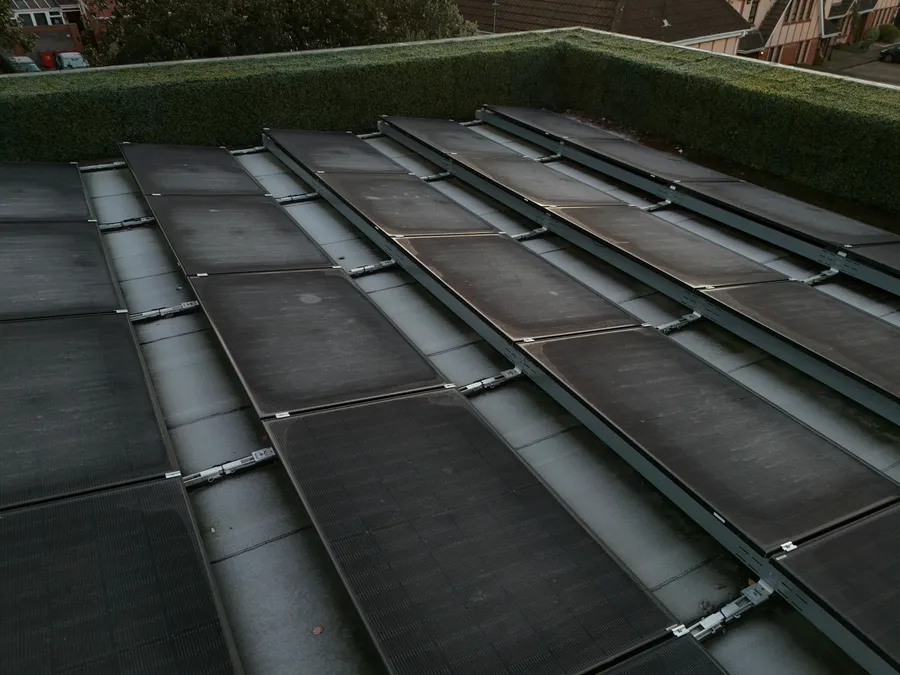
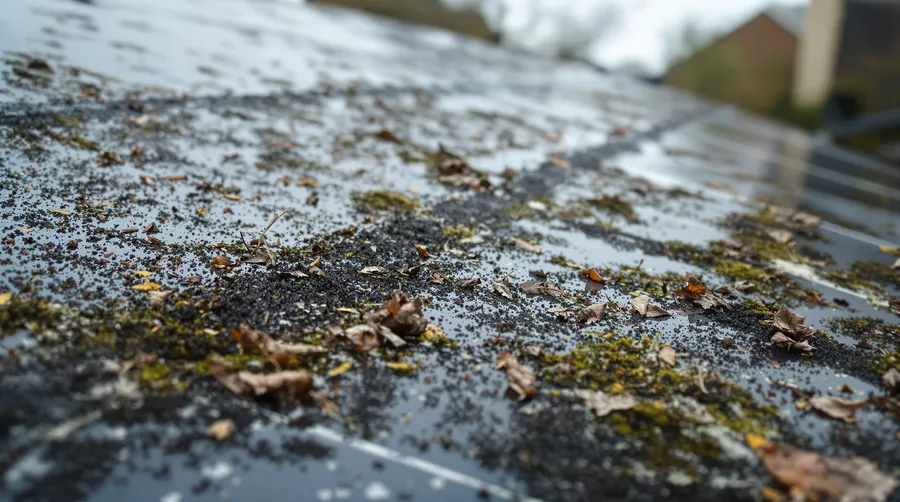
What soiling looks like
Rain does a lot of the work of keeping panels clean. It does not shift the growth that establishes along frames and lower edges, where water sits.
A note on cleaning method
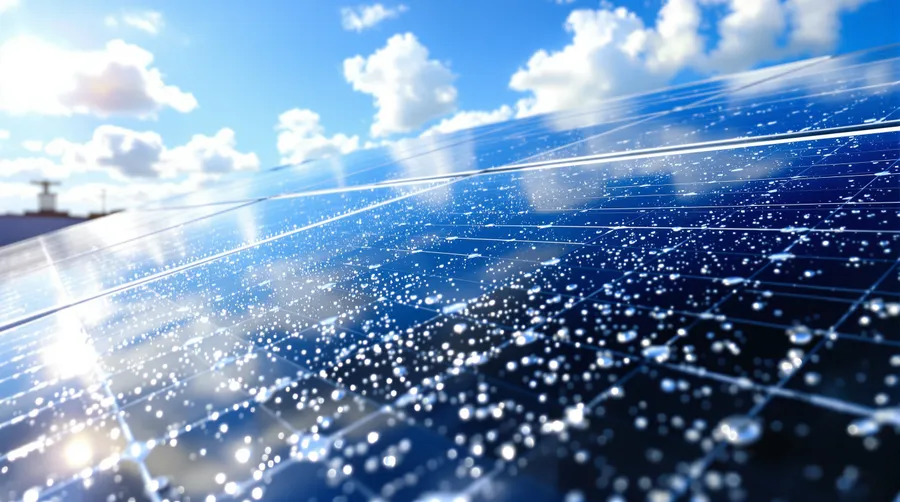
Panels are cleaned with deionised water and appropriate soft brushes. No detergents, no abrasives, and never a pressure washer. Aggressive cleaning risks damaging the anti-reflective coating and forcing water past seals, which causes far more harm than the soiling did. Anyone offering to jet-wash your array should be declined.
What we do
Servicing, diagnostics and repair
We work on systems regardless of who installed them, including where the original installer is no longer trading.
Performance inspection
Measured output compared against what the system should be producing for its size, orientation and the conditions. That comparison is the only way to spot a system that is underperforming.
Panel cleaning
Deionised water and soft-brush cleaning, with particular attention to the frame edges where growth establishes. Carried out safely with appropriate roof access.
Electrical testing
String voltage and current testing, insulation resistance, earthing and connection integrity, by a registered electrical contractor, with a certificate on completion.
Inverter servicing
Fault code interrogation, firmware status, ventilation and filter checks, and replacement where an inverter has reached the end of its service life.
Mounting and weatherproofing
Fixings, clamps and roof penetrations inspected for movement, corrosion and seal integrity. This is where long-term problems originate on a poorly installed system.
Monitoring setup and recovery
Reconnecting monitoring that dropped off after a router change or firmware update, a surprisingly common reason owners have no visibility of their own system.
Fault diagnosis
Where output has dropped and the cause is not obvious, we trace it, string by string if necessary, and tell you what it will take to fix.
Takeover of orphaned systems
If the company that installed your system has ceased trading, we can take it on: assess it, document what is there, and support it going forward.
Commercial & farm
Planned maintenance agreements
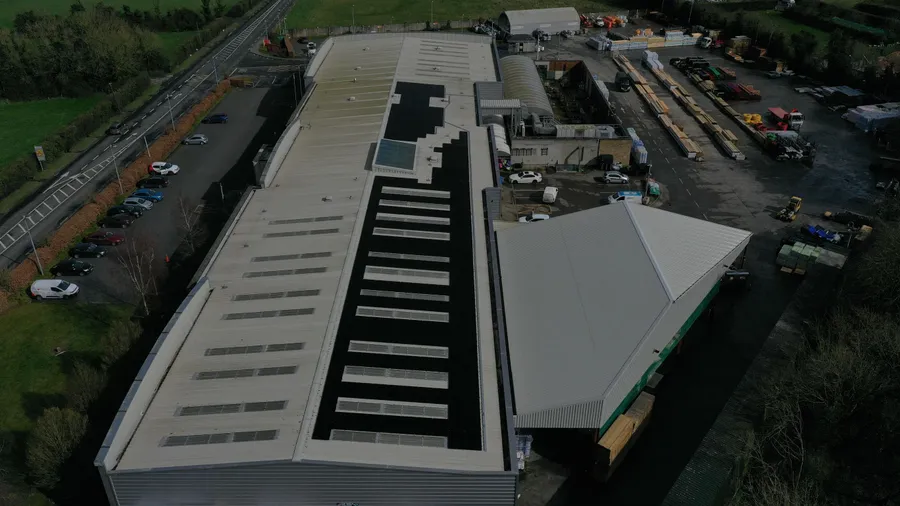
For a commercial or farm array, a service agreement keeps the asset performing across its design life. Where a system is offsetting a significant electricity spend, even modest sustained underperformance is worth more than the servicing costs.
- Scheduled inspection and cleaning visits
- Remote monitoring with alerting on underperformance
- Annual electrical testing and certification
- Priority response for faults
- Documented reports for compliance obligations
Good to know
Common questions
The things people ask us most about solar panel maintenance and servicing.
How long do solar panels last?
We install glass-glass panels, with glass on both faces rather than a plastic backsheet, and they carry a 30-year performance warranty. A performance warranty and a product warranty are two different things: the performance warranty covers the output over time, and the product warranty covers the panel itself. Your quote names both terms for the exact panel we are fitting. The inverters and batteries we fit are warranted for 10 years or more, and you should still expect an inverter to need replacement at least once over the life of the system.
Do solar panels need maintenance?
Very little, but not none. Irish conditions bring moss, lichen, salt and agricultural dust, and soiling reduces output gradually enough that owners often do not notice. Periodic inspection, cleaning where needed, and monitoring that catches faults early will keep an array performing across its full life.
Can I add a battery or EV charger to an existing system?
Usually yes, though it depends on your existing inverter and consumer unit. Some systems accept a battery directly, others need an additional AC-coupled unit. We can assess a system we did not install and tell you what is possible before you commit to anything.
How often do solar panels need cleaning?
A standard suburban roof often only needs attention every year or two. Farms, coastal properties, houses under trees and roofs with bird activity need it more often. The better guide is your monitoring data rather than the calendar: if output has slipped against the same months last year and the weather has not, soiling is the usual suspect. If your panels are visibly clean and producing on benchmark, we will tell you to keep your money.
What is the “AI” part, and does an engineer still look at it?
The software does the part nobody keeps up by hand: weather-adjusted yield models, string comparison, fault-code history and degradation trends, run every week across every system we watch. The judgement about what to do with a flag stays with our engineers. The practical payoff is that when a visit is needed it is a targeted one. The analysis says which string or which component, rather than sending someone up for a general look.
How do I get paid for electricity I export?
Export payments come from your electricity supplier under the Clean Export Guarantee, not from the government. When we commission your system we notify ESB Networks (the NC6 or NC7 form), which is what registers you as a microgenerator; your supplier then applies its export rate to your account. With a smart meter your actual export is measured; rates vary by supplier, so it is worth comparing. The first €400 a year of export income is exempt from income tax, an exemption currently legislated to the end of 2028.
Does solar affect my BER or my house insurance?
Solar PV normally improves a BER, because it reduces the calculated primary energy use of the home, and a post-works BER assessment is part of the SEAI grant process anyway. On insurance, tell your insurer you have added solar, as with any alteration to the building. Cover for panels is routine.
Explore
Other things we do
Most systems we install combine more than one of these. We design them together rather than bolting them on afterwards.
Domestic Solar PV
Solar PV sized to how your household uses electricity, with the SEAI grant guided at every step.
Learn more
Commercial Solar PV
Turn a large roof into a long-term hedge against electricity prices, with SEAI grant support of up to €162,600.
Learn more
Battery Storage
Keep the electricity you generate instead of exporting it, and hold power in reserve for outages.
Learn more
Get started
Check your system is performing
We service systems regardless of who installed them. If output has drifted and you cannot tell why, we can find out.